
Green plastic bags are quickly becoming one of India’s most practical answers to a mounting waste crisis. Every year, the country generates over 3.4 million tonnes of plastic waste, with a large share never fully collected or recycled. As households, retailers, and e-commerce brands look for alternatives that actually break down, green plastic bags made from plant-based and compostable materials are stepping in to close that gap.
What Makes a Plastic Bag "Green"?
A green plastic bag is not just a bag that looks green; it refers to packaging made from materials that come from plants or can be broken down naturally, instead of being made from oil-based plastic.These bags are often made from corn starch, PLA (polylactic acid), or other materials derived from plants.These materials turn into natural compost instead of staying in landfills for a very long time.The difference between “biodegradable” and “compostable” is important.
Compostable bags break down completely within a specific time and do not leave harmful substances behind. Green plastic bags that have certifications like IS 17088 give customers a clear assurance that the bag will compost properly instead of just breaking into tiny pieces of plastic.
For Indian businesses following the Plastic Waste Management Rules, getting this certification is not optional. It is quickly becoming the standard for staying compliant.
India's Plastic Problem and Why Bags Matter
India’s plastic waste is still increasing a lot.About 70% of the plastic used in the country is single-use, meaning it’s used once and then thrown away.Only around 60% of the plastic waste is properly collected, which leaves a big amount of it in drains, rivers, and oceans.Carry bags and packaging from couriers are some of the main causes of this everyday waste, because they’re used quickly and then tossed away.
Green plastic bags help solve this problem right at its most common place when people check out and when packages are delivered.
By replacing regular plastic carry bags with compostable ones, businesses can completely stop a major source of waste from entering the cycle, instead of just making it easier to recycle later.
This is also where new rules are catching up quickly. New Plastic Waste Management Rules now require stricter Extended Producer Responsibility (EPR), more use of recycled materials, and clear labels for producers and brands.Companies that switch to certified compostable bags before these rules go into effect will be better prepared and avoid problems later on.
How Green Plastic Bags Support Environmental Stability
Environmental stability depends on breaking cycles that compound damage over time and single-use plastic is one of the most persistent of those cycles. Conventional plastic bags can take hundreds of years to degrade, fragmenting into microplastics that contaminate soil, waterways, and eventually the food chain. Green plastic bags interrupt that cycle by returning to the earth as compost within months rather than centuries.
There’s also a manufacturing-side benefit. Plant-based plastics are typically produced from renewable crops like corn starch or sugarcane, which absorb carbon dioxide as they grow, partially offsetting the emissions generated during production. Some life-cycle studies suggest bio-based bags can require meaningfully less energy to produce than traditional petroleum-based plastic, translating into a smaller net carbon footprint across the product’s life.
Soil health benefits too where conventional plastic waste degrades ecosystems and chokes agricultural land, compostable packaging that breaks down properly can return organic matter to the soil instead of contaminating it a small but meaningful contribution to long-term land stability, particularly in a country where agriculture remains central to the economy.
Choosing the Right Green Plastic Bags for Your Business
Not every bag labeled as “eco-friendly” or “green” is really good for the environment. When choosing packaging, businesses should check for third-party certifications like IS 17088 in India, make sure there’s clear info on how long the bag takes to break down in compost, and be honest about what the bag is made of. It should be real plant-based compostable material, not just thinner or recycled regular plastic.
Working with a manufacturer that makes certified compostable packaging can make things easier. Instead of dealing with all the paperwork for EPR audits or QR code labeling on your own, going with a known supplier means these rules are already included in the product. For retailers, online sellers, and organizations looking to change how they package things, it’s not just about swapping one bag for another. It’s about moving in the same direction as what the laws and what customers expect.
Building Toward a More Stable Future
Green plastic bags won’t single-handedly solve India’s plastic waste challenge, but they represent one of the most accessible, immediate changes a business or household can make. By replacing a daily-use item that’s traditionally one of the worst offenders for landfill persistence and microplastic pollution, these bags chip away at the problem at its most frequent point of contact. As regulations tighten and certification becomes the norm rather than the exception, making the switch now is as much a compliance decision as an environmental one.
SAKRT manufactures IS 17088-certified compostable carry bags and packaging built for exactly this shift. If your business is ready to move away from conventional plastic, our team can help you find the right fit for your packaging needs.
SAKRT – A Brand of Envirly Innovations Pvt Ltd
Choose SAKRT’s Biodegradable Products
Join the sustainability revolution today!
Choose SAKRT’s biodegradable products for your home, business, or event and make waste disposal responsible.
Conclusion
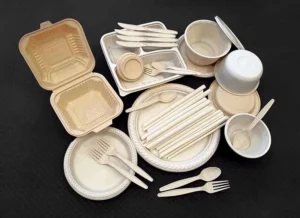
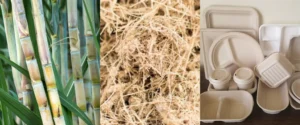
Compostable materials made from cornstarch, sugarcane bagasse, PLA, bamboo, palm leaves, and responsibly sourced paper are paving the way for a more sustainable future. When selected wisely and disposed of properly, they offer an effective alternative to petroleum-based plastics.
Switching to eco-friendly materials, choosing natural alternatives to plastic for packaging, and looking for certifications can help ensure your choices are truly benefiting the planet. Every compostable cup, plate, or container is more than just a product it’s a small step toward a cleaner, greener world. Compostable materials are more than just substitutes for plastic; they represent a move towards environmental sustainability. By decreasing waste, lowering carbon emissions, improving soil quality, and preserving ecosystems, they contribute to a cleaner and more sustainable future
FAQs
No. All compostable items are biodegradable, but not all biodegradable items are compostable. Compostable items break down into nutrient-rich soil without leaving toxins.
Some can be composted at home, but many require industrial composting for proper breakdown. Always check the label.
In industrial facilities, they usually decompose within 90–180 days.
Yes when certified food-safe, they are non-toxic and free from harmful chemicals.
Look for BPI Certified, OK Compost, or Seedling Logo to ensure genuine compostability.